
Most Common Questions Property Owners ask before hiring a Construction Project Management Company  

Most Common Questions Property Owners ask before hiring a Construction Project Management Company 

Businessman In Presentation At Conference Raising Hand To Ask Question

1. What does a construction project management company actually do?

A construction project management company oversees the many moving parts of a construction project. This can include planning, budgeting, scheduling, coordinating contractors and subcontractors, monitoring progress, managing documentation, and communicating with everyone involved. 

Think of the project manager as the person helping keep all the pieces moving in the same direction. Instead of the property owner having to coordinate every detail, the project manager helps organize the process from beginning to completion. 

2. Why should I hire a project management company?

Construction projects involve many decisions, deadlines, vendors, inspections, and potential challenges. Having a professional manage these details can reduce stress and help prevent expensive mistakes. 

A project management company brings organization and experience to the project. They can identify potential problems early, coordinate different professionals, and help keep the work moving according to the established plan. 

3. Is a project manager the same as a general contractor?

Not necessarily. A general contractor is typically responsible for physically coordinating and managing construction work, including subcontractors and construction activities. A project manager may have a broader oversight role, representing the owner’s interests and coordinating the overall project. 

Depending on the project, one company may provide both services, while other projects may have separate project management and general contracting teams. 

4. How much does construction project management cost?

The cost depends on several factors, including the size and complexity of the project, its location, the services required, and how long construction is expected to take. 

Some companies charge a percentage of the overall construction cost, while others may use a fixed fee, hourly rate, or another pricing structure. Before hiring a company, ask for a detailed explanation of what is included in the fee. 

5. Can a project manager help me stay within my budget?

Yes. Budget management is one of the most valuable parts of professional project oversight. A project manager can help establish a realistic budget, monitor expenses, review changes, and identify areas where costs may be increasing. 

While no professional can guarantee that a project will never experience unexpected expenses, consistent financial monitoring can help you make informed decisions before small issues become major problems. 

Young confident teacher or business agent consulting client at meeting or student at individual lesson

6. How will you keep me updated about my project?

Communication should be discussed before construction begins. Ask how frequently you will receive updates and how information will be shared. 

Depending on the company, communication may include meetings, phone calls, emails, progress reports, photographs, schedules, or project management software. The goal is simple: you should never feel like you have to chase someone down to find out what is happening with your project. 

7. What happens if construction falls behind schedule?

Delays can happen for many reasons, including weather, material availability, inspections, design changes, labor issues, or unexpected conditions at the site. 

An experienced project manager monitors the schedule and works with the appropriate parties to address problems as quickly as possible. When delays occur, good communication is especially important so everyone understands what changed and what steps are being taken next. 

8. How do you handle unexpected problems?

Construction rarely goes exactly according to plan. When an unexpected issue appears, a project manager evaluates the situation, discusses possible solutions, considers the financial and scheduling impact, and communicates the options to the appropriate decision-makers. 

The goal isn’t simply to react to problems. It’s to anticipate potential challenges and address them before they have a chance to create larger complications. 

9. Will you coordinate contractors and subcontractors?

In many projects, yes. Project management may involve coordinating architects, engineers, contractors, subcontractors, suppliers, inspectors, and other professionals. 

Having one organized point of coordination can make communication much easier and reduce the possibility of important information being overlooked. 

10. How do I know if a construction project management company is reliable?

Before hiring a company, look beyond the price. Ask about its experience, previous projects, communication process, references, qualifications, and approach to managing budgets and schedules. 

You should also feel comfortable asking questions. A professional company should be willing to explain its process clearly rather than making you feel rushed into a decision. 

11. Can you help with permits and inspections?

Many construction project management companies can assist with coordinating permits, inspections, documentation, and communication with the appropriate professionals or authorities. However, the exact services vary by company and project. 

It’s important to ask specifically what permitting responsibilities are included before signing an agreement. 

12. What should I look for before signing a contract?

Make sure you understand the scope of services, fees, payment schedule, responsibilities, project timeline, communication expectations, change-order procedures, and what happens if circumstances change. 

Don’t be afraid to ask questions about anything you don’t understand. A clear agreement protects everyone and creates a better foundation for the project. 

Hiring a construction project management company is about more than having someone watch a construction site. It’s about having an experienced professional helping organize the people, budget, schedule, communication, and details that come together to create a successful project. 

The right company should make you feel informed and confident throughout the process. Before making your decision, ask plenty of questions, understand exactly what services are included, and choose a team that values transparency and communication. 

At Roman Construction Project Management Company, we take care of every detail, helping our clients navigate the construction process with organization, communication, and confidence from the first step to the final completion. 
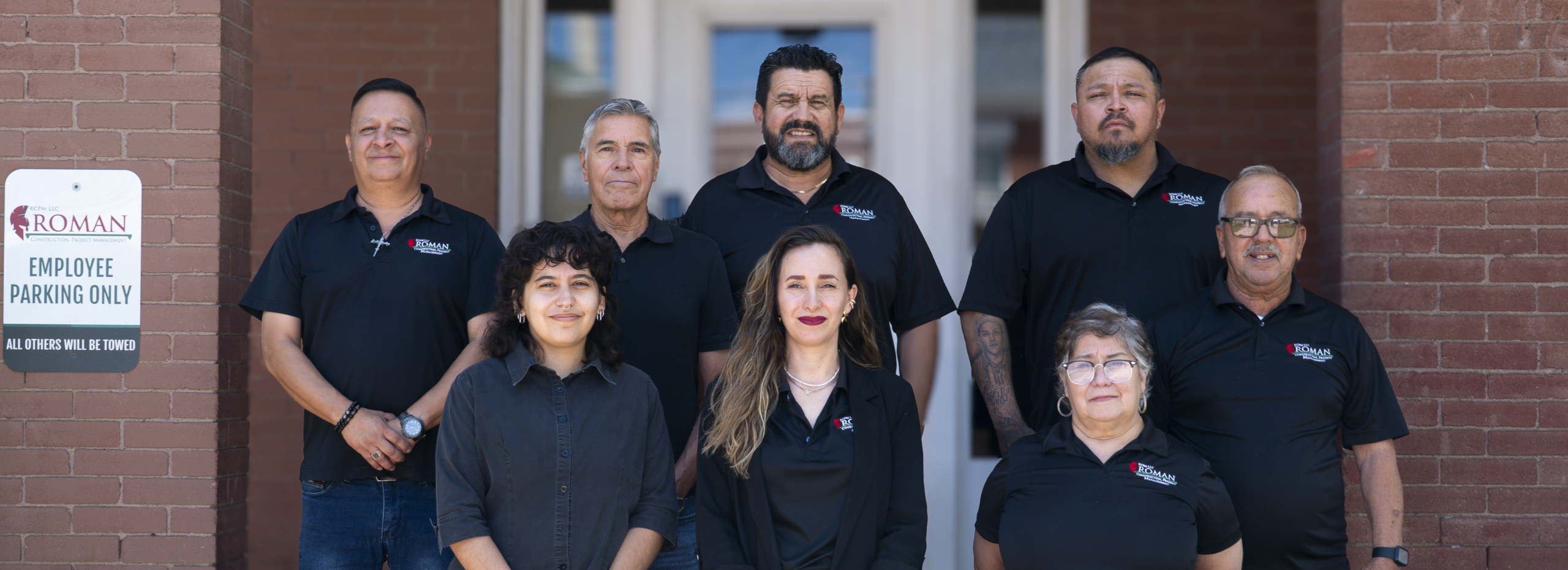
Group Photo of Roman CPM team.


Managing Projects. Delivering Excellence.

Let Roman CPM bring your vision to life.

Why Choosing the Right Project Management Company Matters: 5 Things Every El Paso Business Owner Should Know 

Why Choosing the Right Project Management Company Matters: 5 Things Every El Paso Business Owner Should Know 

A hand carefully lifting a wooden figure from a group of figures.

Starting a construction project in El Paso is a big decision. Whether you are building a new business, remodeling an existing space, or taking on a larger commercial construction project, there is a lot to think about. 

And while construction can be exciting, it can also become stressful very quickly. 

There are contractors to coordinate, budgets to watch, deadlines to meet, materials to order, permits to consider, and dozens of decisions that need to be made along the way. Trying to manage everything yourself can take valuable time away from running your business. 

That is where the right construction project management company can make a real difference. 

At RCPM, we understand that every construction project is an important investment. We also understand that our local El Paso community is made up of hardworking business owners and organizations that want to see their projects succeed. 

Having the right team beside you means you don’t have to figure everything out on your own. 

Here are five important reasons why choosing the right project management company should be a priority.

1. Experience Helps You Avoid Unnecessary Headaches 

Let’s face it: construction projects don’t always go according to plan. 

A delivery can be delayed. A contractor may run into an unexpected problem. A change may need to be made. Something that seemed simple at the beginning can suddenly become much more complicated. 

This is why experience matters. 

An experienced project management company knows that problems can happen and understands how important it is to address them quickly. Having professionals who know how to coordinate different aspects of a project can help prevent small issues from becoming major setbacks. 

At RCPM, we believe good project management starts with understanding the project, anticipating challenges, and being prepared to find solutions. 

You have enough to worry about. Having an experienced team helping manage your construction project can give you confidence and peace of mind. 

Construction team celebrating success

2. Communication Keeps Everyone on the Same Page

One of the most important parts of any construction project is communication.

When several contractors, vendors, designers, engineers, and other professionals are involved, everyone needs to know what is happening. If communication breaks down, confusion and delays can quickly follow.

Your project management company should be someone you can talk to and trust.

You should feel comfortable asking questions, receiving updates, and knowing where your project stands.

At RCPM, we believe you should never feel like you are being left in the dark. Clear communication helps everyone understand responsibilities, timelines, changes, and expectations.

After all, this is your project. You deserve to know what is happening.

3. Your Budget Deserves Attention

Construction is a major investment, and staying aware of your budget is extremely important.

Nobody likes unexpected expenses, especially when they could have been avoided with better planning or communication.

A good project management company helps keep an eye on costs throughout the construction process. This can include reviewing project changes, monitoring expenses, communicating with contractors, and identifying potential concerns before they grow into larger problems.

At RCPM, we understand that every dollar matters.

Our goal is to help you make informed decisions and keep your project goals and budget in focus. While no one can predict every unexpected situation, having a professional team monitoring the project can help you stay prepared.

4. Organization Can Keep Your Project Moving

Construction involves many moving parts, and keeping everything organized is not always easy.

One contractor may need to finish before another can begin. Materials need to arrive at the right time. Inspections need to be scheduled. Deadlines need to be monitored.

When one thing falls behind, it can affect everything else.

This is why project management is so valuable.

At RCPM, organization is a key part of the process. We help keep track of the many details involved in a project so that everyone understands what needs to happen and when.

Think of it as having someone helping put all the puzzle pieces together.

The goal isn’t simply to get the project finished. It is to help keep the process moving in an organized and efficient way.

5. The Right Team Pays Attention to the Details

Sometimes, the smallest details can have the biggest impact on a construction project.

A missed detail can result in additional work, delays, or unexpected costs. Having a project management company involved means you have professionals keeping an eye on the project and helping make sure important details don’t get overlooked.

At RCPM, we believe that successful project management is about looking at both the big picture and the small details.

We understand that your project represents more than construction. It represents your goals, your investment, and your vision for the future.

That’s why every part of the process deserves attention.

Group Photo of Roman CPM team.

Your Project Is Important. Your Team Should Be, Too.

Choosing a project management company is not a decision you should make simply based on price. You are choosing the people who will help guide one of your most important investments.

Look for a company that offers experience, communication, organization, budget awareness, and attention to detail.

But most importantly, choose a company that listens to you and understands what you are trying to accomplish.

For businesses and organizations in El Paso, having a project management partner who understands the importance of the local community can make the experience feel a little more personal.

At RCPM, we believe construction project management is about more than schedules, budgets, and paperwork. It is about building relationships, earning trust, solving problems, and helping turn your vision into reality.

You shouldn’t have to manage every detail alone.

Let RCPM help you keep your project organized, your goals in focus, and your vision moving forward.

When you choose the right project management company, you are not just hiring a service—you are choosing a partner for your project’s success.


Managing Projects. Delivering Excellence.

Let Roman CPM bring your vision to life.

Construction Permit Management: The Key to Keeping Commercial Projects on Schedule

Construction Permit Management: The Key to Keeping Commercial Projects on Schedule

Engineers work as a team with blueprints for architectural plans. Engineer sketching construction project concept with architect equipment Architects talking at table Teamwork and construction concept

Commercial construction projects involve far more than designing a building and breaking ground. Every successful project depends on obtaining the right permits, meeting regulatory requirements, coordinating inspections, and maintaining compliance from planning through completion. When these responsibilities are overlooked or delayed, projects can face costly setbacks, schedule disruptions, and unexpected expenses.

This is where construction permit management becomes an essential part of project success. Rather than treating permitting as a one-time administrative task, experienced project teams recognize it as an ongoing process that requires planning, coordination, and continuous oversight.

Across the Southwestern United States, including Texas, New Mexico, Arizona, and California, commercial developments often involve multiple jurisdictions, evolving building codes, utility providers, environmental regulations, and local review agencies. Successfully navigating these requirements requires expertise, organization, and proactive communication.

Whether you’re developing an industrial facility, healthcare center, office building, retail space, educational campus, or multifamily project, understanding construction permit management can help reduce risk while keeping your project moving forward.

Why Construction Permit Management Matters for Commercial Projects

Every commercial project requires approvals before construction can begin. Depending on the scope and location, developers may need building permits, grading permits, utility approvals, environmental reviews, fire department approvals, accessibility compliance, storm water permits, occupancy certificates, and numerous inspections throughout construction.

Managing these requirements independently can quickly become overwhelming, particularly when multiple agencies review different portions of a project.

Effective construction permit management provides a structured approach to coordinating every permit, approval, and inspection necessary to maintain project momentum. Instead of reacting to issues after they arise, project teams identify permitting requirements early and establish realistic timelines that align with design, procurement, and construction activities.

This proactive approach delivers several important benefits:

  • Reduces delays caused by incomplete permit applications
  • Improves communication between project stakeholders
  • Coordinates multiple regulatory agencies efficiently
  • Minimizes costly schedule interruptions
  • Helps maintain regulatory compliance throughout construction
  • Supports more accurate project scheduling and budgeting

In fast-growing markets throughout the Southwest, permitting timelines can vary significantly depending on municipal workloads and project complexity. Having experienced professionals oversee construction permit management allows developers to anticipate these challenges before they impact construction schedules.

Businessman analysis meny financial documents, tax, accounting, statistics and analytic research concept.

Understanding the Permit Lifecycle

Many owners assume permitting ends once construction begins. In reality, permitting continues throughout the life of the project.

The typical permit lifecycle includes:

  • Preliminary planning and entitlement review
  • Permit application preparation
  • Agency coordination
  • Plan review comments
  • Design revisions
  • Permit issuance
  • Construction inspections
  • Final approvals
  • Certificate of Occupancy

Each phase introduces opportunities for delays if documentation is incomplete or communication between stakeholders breaks down.

Professional construction permit management keeps every phase organized while ensuring critical milestones remain on schedule.

Common Challenges During Construction Permit Management

Even well-designed projects can encounter permitting obstacles. Some of the most common issues include changing building codes, inconsistent documentation, conflicting agency requirements, utility coordination, environmental reviews, and inspection scheduling conflicts.

In the Southwestern United States, many municipalities are experiencing continued commercial growth, increasing review times and placing additional pressure on permitting departments.

Developers frequently encounter situations where one approval depends on another agency completing its review first. Missing documentation or delayed responses can create a chain reaction that affects procurement, subcontractor scheduling, financing milestones, and project delivery.

Strong construction permit management helps reduce these risks through continuous monitoring and early problem solving.

Rather than waiting for permit reviews to stall progress, experienced project managers actively communicate with agencies, consultants, architects, engineers, contractors, and owners throughout the permitting process.

This level of coordination often becomes one of the most valuable services on a commercial construction project.

Best Practices for Successful Construction Permit Management

Successful projects share several characteristics when it comes to permitting and compliance.

Begin permitting early. Permit planning should start during conceptual design—not after construction documents are complete. Early planning identifies jurisdictional requirements before they become scheduling obstacles.

Develop a permitting schedule. Each permit has unique review timelines. Building these into the master project schedule helps establish realistic construction milestones.

Maintain organized documentation. Accurate drawings, engineering reports, calculations, and supporting documents reduce review comments and re-submittals.

Coordinate across disciplines. Architects, civil engineers, structural engineers, MEP consultants, contractors, and owners all contribute information required for permit approvals. Clear communication prevents unnecessary revisions.

Track permit status continuously. Active monitoring ensures deadlines, inspections, and agency requests are addressed promptly.

Prepare for inspections. Scheduling inspections efficiently minimizes downtime while supporting continuous construction progress.

Stay informed about regulatory updates. Building codes and local ordinances change regularly. Maintaining compliance requires staying current with jurisdictional requirements throughout the project.

When these practices become part of everyday project management, construction permit management evolves from a reactive administrative task into a strategic advantage.

For organizations managing multiple commercial developments, this consistency also improves forecasting, budgeting, and long-term planning.

 
Caucasian woman and Black man shaking hands over contract documents on wooden desk, both wearing business attire, coffee cup and financial charts visible, top view composition


Why Professional Permit Management Adds Long-Term Value

Commercial construction involves substantial financial investments, and every day of delay can affect project costs, tenant occupancy, financing, and revenue generation.

Professional construction permit management provides owners with greater visibility into regulatory requirements while reducing uncertainty throughout the construction process.

Instead of relying on individual team members to coordinate dozens of approvals, dedicated permit management establishes accountability, maintains documentation, tracks deadlines, and keeps stakeholders informed of project status.

This disciplined approach supports smoother project execution while allowing architects, engineers, contractors, and owners to remain focused on their primary responsibilities.

For organizations developing projects throughout Texas and the Southwest, experienced permit management is especially valuable because permitting requirements vary between cities, counties, and state agencies. Having knowledgeable professionals coordinate these approvals helps minimize delays and improves overall project efficiency.

Ultimately, successful commercial projects depend on more than quality construction—they depend on careful planning, effective communication, regulatory compliance, and disciplined execution.

Investing in construction permit management helps organizations reduce risk, protect project schedules, and improve the likelihood of delivering projects on time and within budget. As development activity continues to expand across the Southwest, a proactive permitting strategy remains one of the most effective ways to keep commercial construction moving forward with confidence.


Managing Projects. Delivering Excellence.

Let Roman CPM bring your vision to life.