Construction Project Management: The Foundation of Successful Building Projects
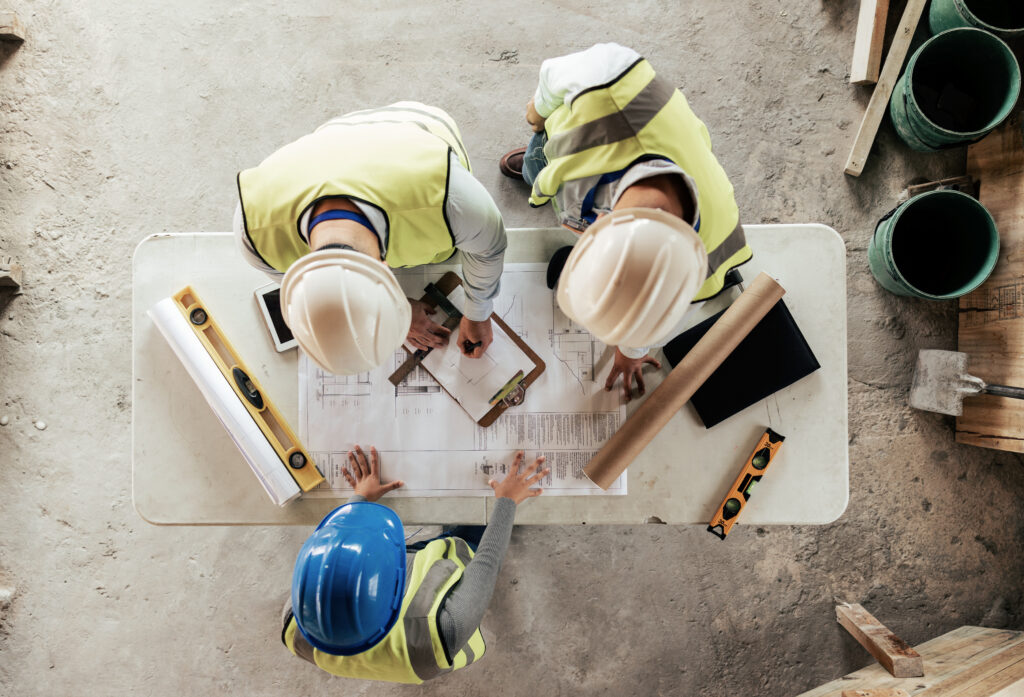
In today’s fast-paced construction industry, delivering projects on time, within budget, and to the highest quality standards requires more than skilled labor and quality materials. It requires effective construction project management. Whether developing a commercial facility, industrial complex, healthcare center, educational institution, or large-scale infrastructure project, strong project management serves as the backbone that keeps every phase aligned and moving toward success.
As construction projects continue to grow in complexity, stakeholders are placing greater emphasis on planning, communication, risk management, and performance tracking. Effective construction project management helps organizations navigate challenges, optimize resources, and achieve measurable results throughout the project lifecycle.
What Is Construction Project Management?
Construction project management is the process of planning, coordinating, budgeting, supervising, and controlling a construction project from initiation through completion. It involves managing people, resources, schedules, contracts, and project objectives to ensure successful delivery.
Unlike traditional project management, construction project management requires specialized expertise in construction methods, regulatory compliance, procurement processes, scheduling, safety standards, and stakeholder coordination.
A construction project manager acts as the central point of communication among owners, architects, engineers, contractors, subcontractors, suppliers, and regulatory agencies. Their role is critical in ensuring that all parties work toward a common goal while minimizing disruptions and delays.
Why Construction Project Management Matters
Every construction project faces unique challenges. Unexpected site conditions, labor shortages, material delays, budget constraints, and design changes can quickly impact project performance.
Effective construction project management provides a structured framework to address these challenges proactively. By implementing proven management strategies, project teams can improve efficiency, reduce risks, and maintain accountability throughout the construction process.
Some of the key benefits include:
Improved Project Planning
Comprehensive planning establishes a clear roadmap for project execution. Detailed schedules, resource allocation plans, procurement timelines, and risk assessments help teams identify potential obstacles before they become costly issues.
Better Cost Control
Budget overruns are among the most common concerns in construction. Strong construction project management includes continuous cost monitoring, forecasting, and financial reporting to ensure expenditures remain aligned with project goals.
Enhanced Communication
Construction projects involve numerous stakeholders with different responsibilities and priorities. Clear communication channels help prevent misunderstandings, streamline decision-making, and maintain project momentum.
Risk Mitigation
Identifying and addressing risks early can significantly reduce project disruptions. Construction project managers continuously evaluate potential threats and implement strategies to minimize their impact.
Increased Quality Assurance
Quality control processes ensure that construction work meets project specifications, safety standards, and regulatory requirements. Consistent oversight helps maintain high-quality outcomes and client satisfaction.

Key Phases of Construction Project Management
Successful construction project management follows a structured approach that guides projects from concept to completion.
1. Project Initiation
The initiation phase establishes project objectives, scope, stakeholders, and overall feasibility. During this stage, project teams evaluate requirements, define goals, and develop preliminary budgets and schedules.
Important activities include:
- Project feasibility analysis
- Stakeholder identification
- Scope definition
- Initial budgeting
- Risk assessment
2. Project Planning
Planning is one of the most critical phases of construction project management. A well-developed plan provides a foundation for execution and performance measurement.
Planning activities typically include:
- Schedule development
- Resource planning
- Procurement strategies
- Contract administration
- Safety planning
- Risk management planning
- Quality management planning
A detailed project plan allows teams to establish expectations and maintain alignment throughout construction.
3. Project Execution
During execution, project plans are transformed into action. Contractors, subcontractors, and suppliers perform the work necessary to complete the project.
Project managers oversee daily operations by:
- Coordinating field activities
- Managing resources
- Monitoring schedules
- Facilitating communication
- Resolving issues
- Tracking progress
Successful execution depends on strong leadership, collaboration, and adaptability.
4. Monitoring and Control
Monitoring and control occur simultaneously with project execution. This phase focuses on evaluating performance against established objectives.
Common monitoring activities include:
- Schedule tracking
- Cost analysis
- Quality inspections
- Safety audits
- Risk reviews
- Change management
Construction project managers use real-time data to identify variances and implement corrective actions when necessary.
5. Project Closeout
The closeout phase marks the completion of construction activities and the transition of the project to the owner.
Closeout tasks may include:
- Final inspections
- Punch list completion
- Documentation review
- Permit approvals
- Client handover
- Warranty management
A successful closeout ensures that all project requirements have been met and documented appropriately.

Technology’s Role in Modern Construction Project Management
The construction industry has embraced technology to improve project visibility, collaboration, and efficiency. Modern construction project management relies heavily on digital tools that support informed decision-making and real-time project tracking.
Popular technologies include:
Project Management Software
Centralized platforms allow teams to manage schedules, budgets, documentation, and communications from a single location.
Building Information Modeling (BIM)
BIM technology enables project teams to visualize construction projects before work begins, reducing conflicts and improving coordination.
Mobile Field Applications
Field personnel can access project information, submit reports, and communicate instantly using mobile devices.
Data Analytics
Advanced analytics provide insights into project performance, helping organizations identify trends and opportunities for improvement.
By leveraging technology, construction project managers can increase efficiency and maintain greater control over project outcomes.

Common Challenges in Construction Project Management
Even with careful planning, construction projects face obstacles that require strategic leadership and problem-solving.
Schedule Delays
Weather conditions, labor shortages, permitting issues, and supply chain disruptions can impact project timelines. Effective scheduling and contingency planning help minimize delays.
Budget Management
Unexpected expenses can quickly affect project profitability. Continuous cost monitoring helps maintain financial control and supports proactive decision-making.
Scope Changes
Client requests and design modifications can alter project requirements. Strong change management processes ensure adjustments are documented, approved, and incorporated appropriately.
Resource Allocation
Balancing labor, equipment, and materials across multiple project phases requires careful coordination to prevent bottlenecks.
Regulatory Compliance
Construction projects must adhere to local, state, and federal regulations. Maintaining regulatory compliance helps avoid penalties and project interruptions.
Experienced construction project managers understand how to navigate these challenges while keeping projects aligned with stakeholder expectations.
Best Practices for Successful Construction Project Management
Organizations seeking to improve project performance often focus on several proven best practices:
Establish Clear Objectives
Clearly defined goals provide direction and create measurable benchmarks for success.
Foster Collaboration
Encouraging open communication among stakeholders helps build trust and improve project coordination.
Prioritize Risk Management
Proactive risk identification and mitigation strategies reduce uncertainty and strengthen project resilience.
Maintain Accurate Documentation
Comprehensive documentation supports accountability, transparency, and informed decision-making.
Invest in Technology
Modern construction management tools improve efficiency, visibility, and project control.
Monitor Performance Regularly
Ongoing performance reviews help identify issues early and support continuous improvement.
By implementing these practices, organizations can increase project success rates and achieve stronger business outcomes.
The Future of Construction Project Management
As the construction industry continues to evolve, project management will play an increasingly important role in delivering successful outcomes. Emerging technologies, sustainability initiatives, advanced analytics, and integrated project delivery methods are reshaping how construction projects are planned and executed.
Companies that embrace innovation and prioritize strong project management processes will be better positioned to meet growing market demands and deliver exceptional results for clients.
The future of construction belongs to organizations that can effectively balance cost, schedule, quality, safety, and stakeholder expectations through disciplined construction project management practices.
Partner with Roman CPM
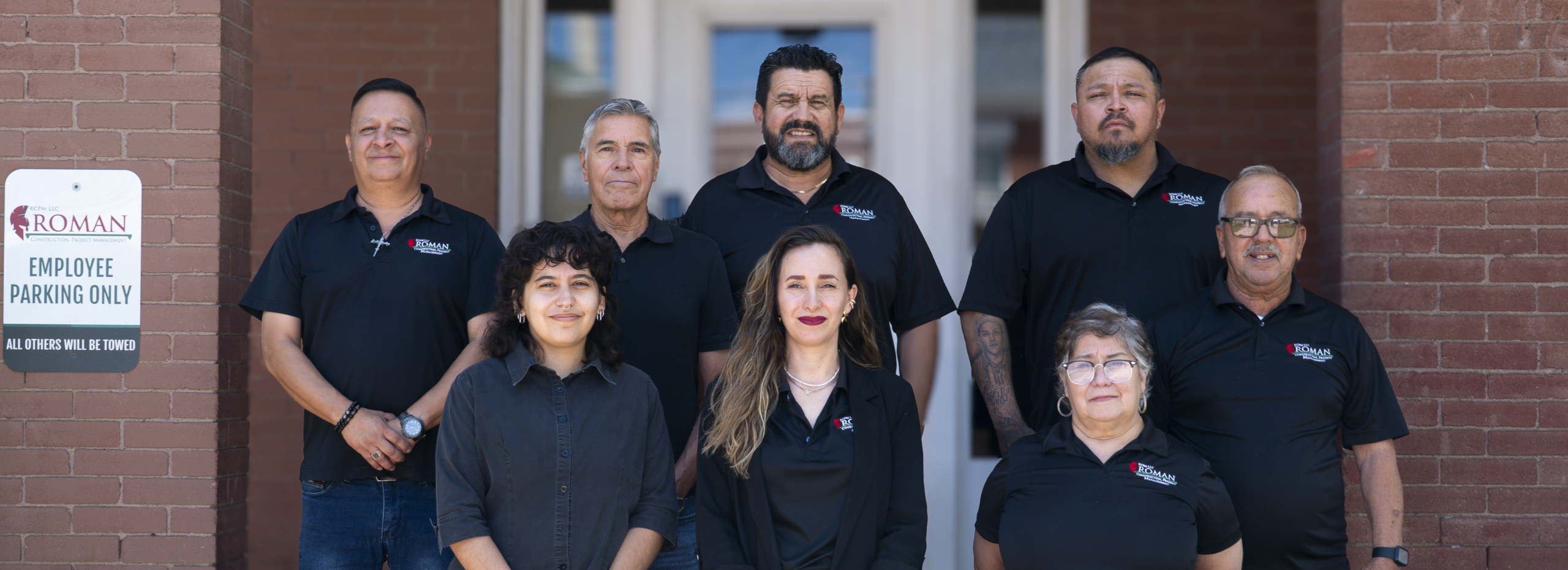
At Roman CPM, we understand that successful construction projects require more than technical expertise—they require leadership, accountability, and a commitment to excellence at every stage of the process.
Our team brings years of experience in construction project management, successfully overseeing complex, multimillion-dollar projects across a wide range of industries. From project planning and scheduling to cost control, risk management, stakeholder coordination, and project delivery, we provide the expertise needed to keep projects moving forward with confidence.
Roman CPM is dedicated to helping clients achieve their goals through strategic planning, proactive communication, and proven project management methodologies. Whether you’re launching a new development, expanding facilities, or managing a large-scale capital project, our experienced professionals are ready to help guide your project from concept to completion.
When success matters, trust Roman CPM to deliver the leadership, experience, and results that drive exceptional project outcomes.
Managing Projects. Delivering Excellence.
Let Roman CPM bring your vision to life.