
Developing a Project Management Plan

Getting a general project management plan for a construction project is one of the smartest steps you can take before breaking ground. Whether you are building a custom home, remodeling a commercial property, or managing a large-scale development, a well-organized project management plan keeps every phase of construction moving efficiently. It helps prevent costly delays, improves communication, and ensures everyone involved understands their responsibilities.
Behind every completed building is a carefully planned strategy that coordinates people, materials, budgets, timelines, permits, and inspections. This strategy is known as construction project management.
Many property owners believe project management only becomes important after construction starts. In reality, it should begin during the planning stage. A professional project management team creates a roadmap that guides the project from concept to completion while reducing unnecessary risks and keeping the project on schedule.
Here are the essential steps to getting a reliable general project management plan for your construction project.
- Clearly Define Your Project Goals
The first step is understanding exactly what you want to accomplish. Before hiring a project manager or construction management company, identify your project’s purpose and expectations.
Consider questions such as:
- What type of building or renovation are you planning?
- What is your ideal completion date?
- What is your estimated budget?
- Are there any special features or design requirements?
- What permits or regulations may apply?
The more information you provide upfront, the easier it becomes to develop a realistic management plan. Having clear goals also helps prevent misunderstandings once construction begins.
- Hire an Experienced Construction Project Management Company
Not every contractor provides complete project management services. A dedicated construction project management company oversees every aspect of the project rather than focusing only on the physical construction.
An experienced project manager coordinates:
- Planning and scheduling
- Budget development
- Contractor communication
- Material procurement
- Permit coordination
- Quality control
- Safety compliance
- Inspection scheduling
- Progress reporting
Their role is to keep every moving part working together efficiently while identifying potential problems before they become expensive issues.
- Develop a Detailed Project Timeline
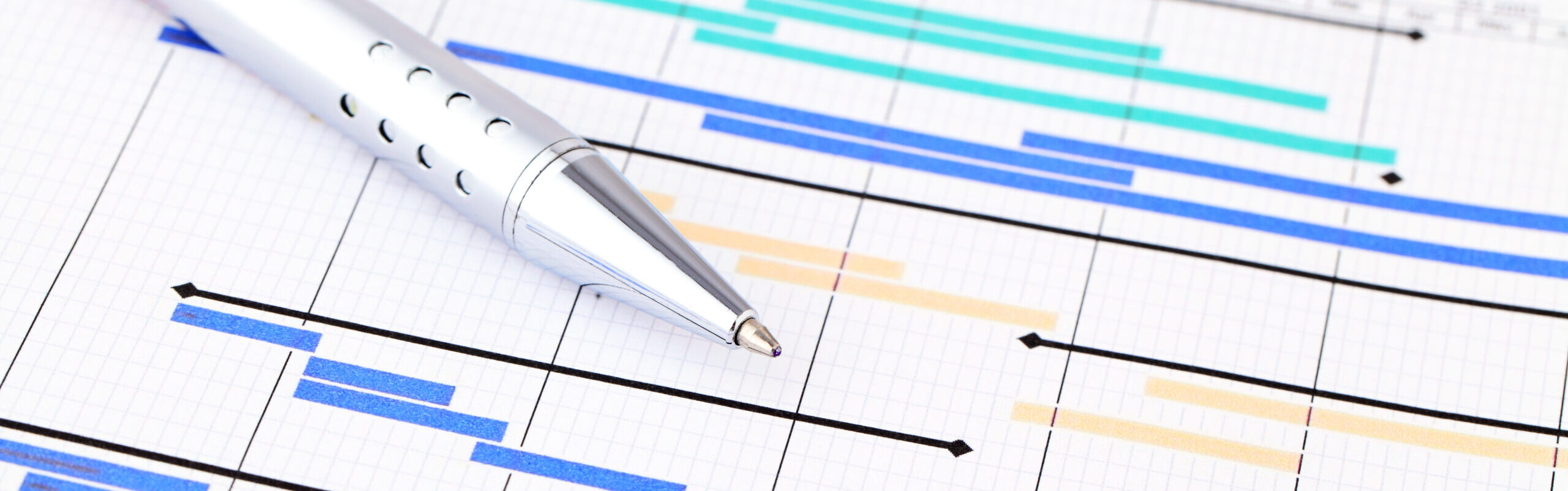
Once the project goals are established, the next step is creating a realistic construction schedule.
A professional project management plan divides the project into manageable phases, including:
- Design completion
- Permit approvals
- Site preparation
- Foundation work
- Structural construction
- Mechanical, electrical, and plumbing installation
- Interior finishes
- Final inspections
- Project closeout
Each phase includes estimated completion dates and identifies which tasks depend on others. A detailed timeline helps minimize delays and allows everyone involved to understand the project’s progress.
- Establish a Realistic Budget
One of the most important responsibilities of construction project management is controlling costs.
A complete budget should include much more than labor and materials. It should also account for:
- Permit fees
- Engineering services
- Equipment rentals
- Utility connections
- Material price fluctuations
- Unexpected site conditions
- Contingency funds
A project manager continuously monitors expenses throughout construction and compares actual costs to the planned budget. This helps identify financial issues early before they affect the entire project.
- Coordinate the Entire Construction Team
Construction projects often involve numerous professionals working together.
These may include:
- Architects
- Engineers
- General contractors
- Subcontractors
- Suppliers
- Building inspectors
- Utility companies
- Property owners
Without strong coordination, communication gaps can create scheduling conflicts and costly mistakes.
A construction project manager serves as the central point of communication, ensuring everyone receives accurate information and understands upcoming responsibilities.
Regular meetings and progress updates keep the entire team aligned throughout the project.
- Monitor Quality and Safety
A successful project management plan includes ongoing quality inspections and safety oversight.
Rather than waiting until the project is complete, project managers evaluate construction throughout every stage to verify work meets approved plans, building codes, and industry standards.
Safety is equally important.
Proper safety planning includes:
- Job site inspections
- OSHA compliance
- Hazard identification
- Protective equipment requirements
- Emergency procedures
- Contractor safety coordination
Maintaining high standards protects workers while reducing delays caused by accidents or failed inspections.
- Prepare for Unexpected Challenges
No construction project is completely free of surprises.
Weather delays, supply chain issues, permit changes, labor shortages, and unforeseen site conditions can all affect the schedule.
A strong project management plan includes contingency strategies that allow the team to respond quickly without losing control of the project.
Professional project managers continuously evaluate risks and adjust schedules, budgets, and resources when necessary to keep construction moving forward.
Being prepared for challenges often makes the difference between a successful project and one that experiences significant delays.

Why Professional Project Management Matters
Construction projects involve thousands of individual decisions. Without organized management, even small problems can quickly become expensive setbacks.
Professional construction project management provides:
- Better communication
- Improved scheduling
- Stronger budget control
- Higher construction quality
- Greater accountability
- Faster problem-solving
- Reduced project delays
- Better overall client experience
Whether your project is large or small, having an experienced management team provides confidence that every phase is being carefully monitored.
A well-developed construction project management plan lays the foundation for a successful project from beginning to end. By defining clear goals, hiring experienced professionals, creating realistic schedules, managing budgets, coordinating contractors, maintaining quality standards, and preparing for unexpected challenges, you significantly improve the chances of completing your project on time and within budget.
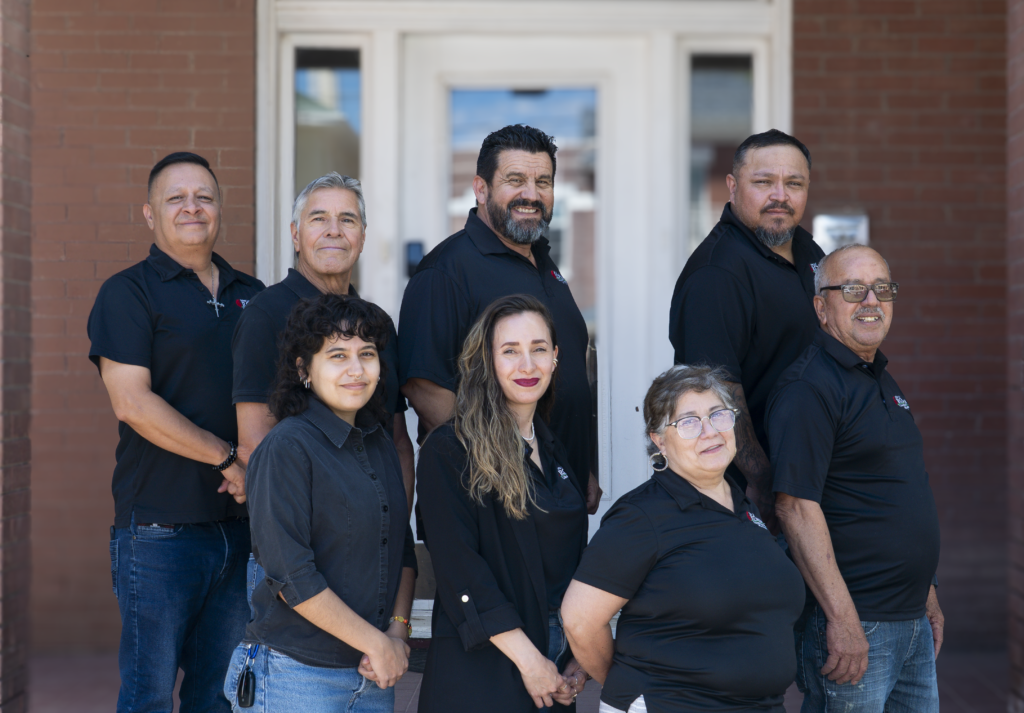
At Roman Construction Project Management Company, we believe every successful build starts with careful planning and professional oversight. Our experienced team manages every detail, from initial planning and budgeting to scheduling, coordination, and final completion,so you can move forward with confidence knowing your construction project is in capable hands.
Managing Projects. Delivering Excellence.
Let Roman CPM bring your vision to life.